If you own a 4×4 or AWD vehicle in the Denver metro area—whether you’re heading up the Front Range trails, towing gear out to the mountains, or powering through snow and back roads—it’s easy to focus on the transmission. But in many off-road and rugged-terrain scenarios, the transfer case and differentials are equally critical, and they face their own unique stresses. Below we’ll explain what these components do, why they matter for Colorado drivers, what can go wrong, and how to protect them.
What are the transfer case & differential, and how do they fit with the transmission?
- The transfer case is a gearbox that sits downstream of the transmission and helps distribute power either to the rear axle only (in 2WD mode) or to both front and rear axles (in 4WD/AWD mode). It can also contain “low-range” gears for heavy-duty off-road use.
- The differential(s) (front, rear, and in some cases a center differential) allow the wheels on a given axle (or the front vs rear axles) to rotate at different speeds—critical when turning, climbing, or navigating uneven terrain.
- While the transmission handles gear-shifting and torque delivery from the engine, the transfer case and differential manage which wheels get power and how much, and how that power is split and absorbed by the drivetrain.
In short: if your transmission is the heart of the system, think of the transfer case and differentials as the limbs—they must function smoothly too.
Why these components matter especially for Denver-area off-roaders & AWD/4WD drivers
- Mountain terrain and steep grades
When you drive elevation climbs, steep trails, or rocky terrain—as many Front Range drivers do—the transfer case and differentials work hard. They distribute torque under extreme conditions and manage more load than typical flat-road driving. - Towing + heavy gear loads
If you’re pulling a trailer, boat, or hauling gear into the mountains, your drivetrain isn’t just dealing with engine power—it’s managing increased torque, load shifts, and uneven terrain. That extra demand falls partly on the transfer case and diff units. - Trail use, mud, water crossings, off-road exposure
Off-road conditions expose seals, gears, and housings to contaminants (mud, water, rocks) which accelerate wear. For example, water in a differential can reduce lubrication and cause internal gear damage. - 4WD/AWD engagement & terrain changes
Many drivers switch between city roads, mountain highways, and off-road trails. Each change exposes the drivetrain to different load regimes. A transfer case may shift between modes or ranges; differentials may lock/unlock or handle drive-shaft angles and terrain loads.
Common issues we see at our shop for 4×4/driveline work
Based on our real-world experience at the Lakewood & Westminster locations of Advanced Transmission Center, here are some recurring problems in 4WD/AWD vehicles:
- Leaking seals in transfer case or differential housing: When seals wear, fluid leaks out, lubrication drops, internal gears get overheated or wear faster.
- Fluid degradation or contamination: The gear oil in differentials and the fluid in transfer cases can degrade faster under heavy use or off-road conditions—resulting in gear noise, rough engagement, or binding.
- Failure to engage 4WD/Low-Range correctly: Transfer case actuator problems or internal damage can lead to failure of 4WD engagement when you need it most (trail, snow, mud).
- Differential gear/side-gear wear: After many miles of off-road use or towing, the internal gears inside the differential can become worn, leading to whining, clunking, or driveshaft vibration.
- Overheating and driveline ‘wind-up’: On hilly/downhill terrain, repeated torque load, heavy braking, and long drives can heat the drivetrain. In locked 4WD modes on high-traction surfaces this can create excessive stress in the transfer case or diff.
How to protect your drivetrain: local-specific tips for Denver / Front Range
- Inspect fluid and service intervals: For vehicles that see off-road use, towing, or mountain drives: check transfer case and differential fluids early and more frequently than standard intervals.
- After trail or mountain use, check for leaks/damage: Undercarriage rock strikes, water crossings or mud buildup are signs to inspect.
- Use low-range or correct 4WD mode when appropriate: On steep descents or climbs, engage the correct gear range so the drivetrain isn’t relying solely on the transmission or brakes.
- Avoid locked 4WD on dry pavement: On high-traction surfaces, using a mode designed for low-traction terrain can cause driveline binding and damage the transfer case/differentials.
- Cooling matters: Long downhill runs, towing, and high load driving increase heat in the drivetrain system. Make sure cooling systems and fluid levels are maintained.
- Choose a specialist shop: When it comes to transfer case and differential work, you want a shop that understands 4WD/AWD systems, has appropriate parts, and tailors service to off-road/terrain use.
Why our shop is set up for this kind of work
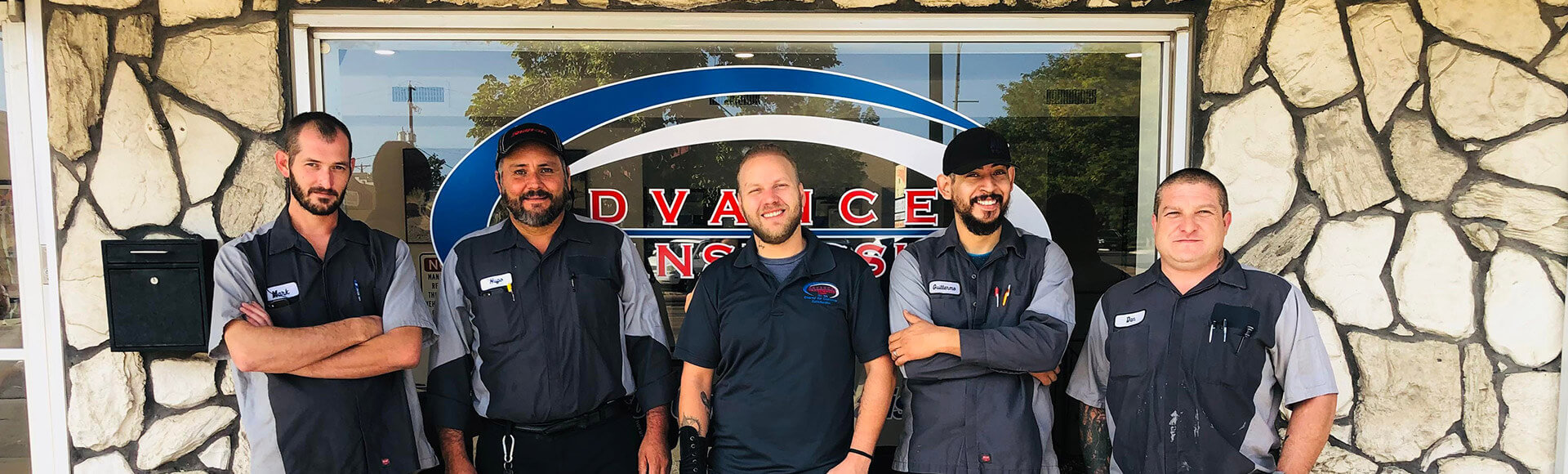
At Advanced Transmission Center (Lakewood & Westminster), we don’t just focus on automatic transmissions—we also service and repair transfer cases, front/rear differentials, 4WD/AWD systems, and the full driveline. We understand the Denver/Front Range context: mountain drives, heavy loads, trail use, and the transition between city and rugged roads. Our specialists will inspect the entire system, not just the transmission, and we’ll help you understand which parts require service now, which parts you should monitor, and how to maintain reliability for your off-road/4-wheel-drive vehicle.
Final take-away
If you drive a 4×4, AWD or tow/hit trails around the Denver area, don’t let the transmission get all the attention—your transfer case and differentials play equally important roles in your vehicle’s drivetrain health. By paying attention to them early, maintaining proper fluids, and working with a specialist shop aware of mountain/off-road conditions, you’ll save money, prevent breakdowns, and extend the lifespan of your rig.
Next step: Bring your vehicle by for a 4WD drivetrain check (transfer case, front & rear diffs, fluid condition, seals/engagement) and find out how ready your rig is for trails, mountains, or daily driving around Denver.
With over 10 years of hands-on experience in the automotive industry, including serving as General Manager for a high-volume transmission shop, Tom Christy brings deep operational and technical expertise to every facet of auto repair and service management. Having overseen multi-million-dollar operations, led national teams, and improved shop performance across sales, staffing, and customer service, Tom has a proven track record of growing revenue while reducing costs. Tom's real-world experience in transmission diagnostics, repair workflows, and customer satisfaction makes them a trusted voice in the field.

 Free Customer Towing Service
  Free TrueTest™ Inspection
  Fast Transmission Services
  Comprehensive Warranty in Denver